Using a Single Frame to Create Cinematic Sequences
Learn how to transform a single image into compelling cinematic sequences using AI-powered multi-angle generation. Discover the revolutionary approach that's changing how we create visual content.
Table of Contents
- Introduction
- The Power of Single Frames
- AI Transformation Process
- Creative Techniques
- Workflow Optimization
- Practical Applications
- Advanced Strategies
- Conclusion
Introduction
In the world of visual storytelling, the ability to create compelling sequences from a single frame represents one of the most powerful and cost-effective techniques available to modern filmmakers and content creators. This revolutionary approach, powered by AI technology like AnyAngle.ai, allows you to transform a single reference image into multiple cinematic perspectives, creating rich, dynamic sequences that would traditionally require extensive multi-camera setups.
The concept is deceptively simple: take one well-composed image and use AI to generate multiple camera angles, perspectives, and viewpoints from that single source. The result is a complete cinematic sequence that maintains visual consistency while providing the editorial flexibility that editors and directors crave. This technique is particularly valuable for independent filmmakers, content creators, and anyone working with limited resources but unlimited creative ambition.
Whether you're creating a short film, commercial content, social media posts, or portfolio pieces, the ability to generate multiple angles from a single frame opens up unprecedented creative possibilities. This comprehensive guide will walk you through everything you need to know about transforming single frames into cinematic sequences.
The Power of Single Frames
A single, well-composed frame contains an incredible amount of visual information that can be leveraged to create multiple perspectives. Understanding how to extract and utilize this information is key to successful sequence generation.
Why Single Frames Work
A single frame contains depth, lighting, composition, and spatial relationships that AI can analyze and extrapolate to create new viewpoints.
All generated angles maintain the same lighting, color palette, and visual style as the original frame, ensuring visual coherence.
Generate multiple professional angles without the cost of additional equipment, crew, or shooting time.
Explore camera angles and perspectives that would be impossible or impractical to achieve with traditional methods.
Ideal Source Images
Not all images are equally suitable for sequence generation. The best source images have:
- Clear Subject Matter: Well-defined subjects that can be viewed from multiple angles
- Good Lighting: Even, professional lighting that works from various perspectives
- Strong Composition: Balanced composition that translates well to different viewpoints
- Sufficient Detail: Enough visual detail for AI to understand spatial relationships
- Appropriate Resolution: High enough resolution to maintain quality in generated angles
AI Transformation Process
The AI transformation process involves several sophisticated steps that work together to create multiple cinematic angles from a single source image. Understanding this process helps you optimize your input and achieve better results.
Step-by-Step Process
AI Sequence Generation Workflow
- Image Analysis: AI analyzes the source image to understand composition, lighting, and spatial relationships
- 3D Reconstruction: System builds a 3D understanding of the scene geometry and object positions
- Angle Planning: AI determines optimal camera positions based on cinematography principles
- View Generation: System generates multiple viewpoints while maintaining visual consistency
- Quality Enhancement: Generated angles are refined and optimized for professional quality
- Sequence Assembly: Multiple angles are organized into a coherent cinematic sequence
Technical Considerations
Several technical factors affect the quality of generated sequences:
- Input Quality: Higher quality source images produce better generated angles
- Processing Power: More powerful systems can generate higher quality results
- Algorithm Selection: Different AI models excel at different types of content
- Parameter Tuning: Fine-tuning parameters can optimize results for specific use cases
- Post-Processing: Additional refinement can enhance the final output quality
Creative Techniques
Creating compelling cinematic sequences from single frames requires both technical knowledge and creative vision. Here are the key techniques that separate good sequences from great ones:
Angle Selection Strategy
Choose angles that serve your narrative and creative goals:
- Master Shots: Wide angles that establish the scene and context
- Medium Shots: Balanced perspectives that show character relationships
- Close-ups: Intimate angles that reveal emotion and detail
- Unusual Perspectives: Creative angles that add visual interest
- Point-of-View Shots: Angles that put the audience in the character's position
Sequencing for Impact
Arrange your generated angles to create maximum visual impact:
- Progressive Revelation: Start wide and move closer to reveal details
- Emotional Pacing: Use angle changes to control emotional rhythm
- Visual Flow: Create smooth transitions between different perspectives
- Narrative Support: Choose angles that enhance your story
- Audience Engagement: Keep viewers interested with varied perspectives
Style Consistency
Maintain visual consistency across all generated angles:
- Lighting Continuity: Ensure consistent lighting across all angles
- Color Harmony: Maintain the same color palette and mood
- Composition Balance: Keep consistent compositional principles
- Focus and Depth: Maintain appropriate focus and depth of field
- Overall Aesthetic: Ensure all angles support the same visual style
Workflow Optimization
Efficient workflow is essential for maximizing the creative potential of single-frame sequence generation. Here's how to optimize your process:
Pre-Production Planning
Recommended Workflow with AnyAngle.ai
- Source Image Selection: Choose high-quality, well-composed reference images
- Angle Planning: Plan which angles you need for your sequence
- AI Generation: Use AnyAngle.ai to generate multiple camera angles
- Quality Review: Review generated angles for technical and creative quality
- Sequence Assembly: Arrange angles into a coherent sequence
- Post-Production: Add transitions, effects, and final polish
Quality Control
Implement quality control measures throughout your workflow:
- Technical Review: Check for technical issues like resolution, focus, and exposure
- Creative Assessment: Evaluate angles for creative and narrative value
- Consistency Check: Ensure all angles maintain visual consistency
- Sequence Flow: Test how angles work together in sequence
- Final Polish: Apply final adjustments and enhancements
Iteration and Refinement
Don't be afraid to iterate and refine your sequences:
- Multiple Generations: Generate multiple versions to compare options
- Parameter Adjustment: Fine-tune AI parameters for better results
- Creative Experimentation: Try different angle combinations and arrangements
- Feedback Integration: Incorporate feedback from collaborators and test audiences
- Continuous Improvement: Learn from each project to improve future results
Practical Applications
Single-frame sequence generation has numerous practical applications across different types of content creation:
Content Creation
Create engaging social media posts with multiple angles from single photos, perfect for Instagram, TikTok, and other platforms.
Generate professional product shots and commercial content with multiple angles from single reference images.
Build impressive portfolios by creating multiple angles from your best single images, showcasing versatility and technical skill.
Create educational videos and tutorials with multiple camera angles from single reference images, enhancing learning experiences.
Professional Applications
- Pre-Production Planning: Use generated sequences for storyboarding and pre-visualization
- Client Presentations: Show clients multiple angle options before production
- Cost Estimation: Demonstrate what's possible with different budget levels
- Creative Exploration: Explore different visual approaches without expensive reshoots
- Training Materials: Create training content for crew and collaborators
Advanced Strategies
Once you've mastered the basics, these advanced strategies will help you create even more compelling and professional sequences:
Hybrid Approaches
Combine AI-generated angles with traditional techniques:
- Mixed Sequences: Combine AI-generated angles with traditionally shot footage
- Enhancement: Use AI to enhance or extend existing sequences
- Gap Filling: Fill in missing angles in existing multi-camera setups
- Style Matching: Generate angles that match existing footage styles
Creative Experimentation
Push the boundaries of what's possible with single-frame sequences:
- Unusual Perspectives: Generate angles that would be impossible with traditional methods
- Dynamic Sequences: Create sequences that feel like continuous camera movement
- Emotional Storytelling: Use angle changes to enhance emotional impact
- Visual Metaphors: Create symbolic sequences that support your narrative
Technical Mastery
Develop technical expertise for better results:
- Parameter Optimization: Learn to fine-tune AI parameters for specific use cases
- Quality Enhancement: Use post-production techniques to improve generated angles
- Workflow Automation: Develop automated workflows for consistent results
- Integration Techniques: Master techniques for seamless integration with existing content
Conclusion
The ability to create cinematic sequences from single frames represents a revolutionary advancement in visual storytelling. By leveraging AI technology like AnyAngle.ai, creators can now generate multiple professional-quality camera angles from a single reference image, opening up unprecedented creative possibilities while dramatically reducing production costs and complexity.
The key to success lies in understanding both the technical capabilities and creative potential of this technology. By choosing the right source images, planning your sequences thoughtfully, and implementing quality control measures, you can create compelling visual content that rivals traditional multi-camera productions.
As this technology continues to evolve and become more accessible, it's democratizing high-end visual storytelling, enabling independent creators to produce content that was previously only possible with major studio resources. The filmmakers and content creators who embrace this technology today will be the ones shaping the future of visual storytelling tomorrow.
Ready to Create Cinematic Sequences?
Start transforming your single images into compelling cinematic sequences with AnyAngle.ai today.
Related Articles
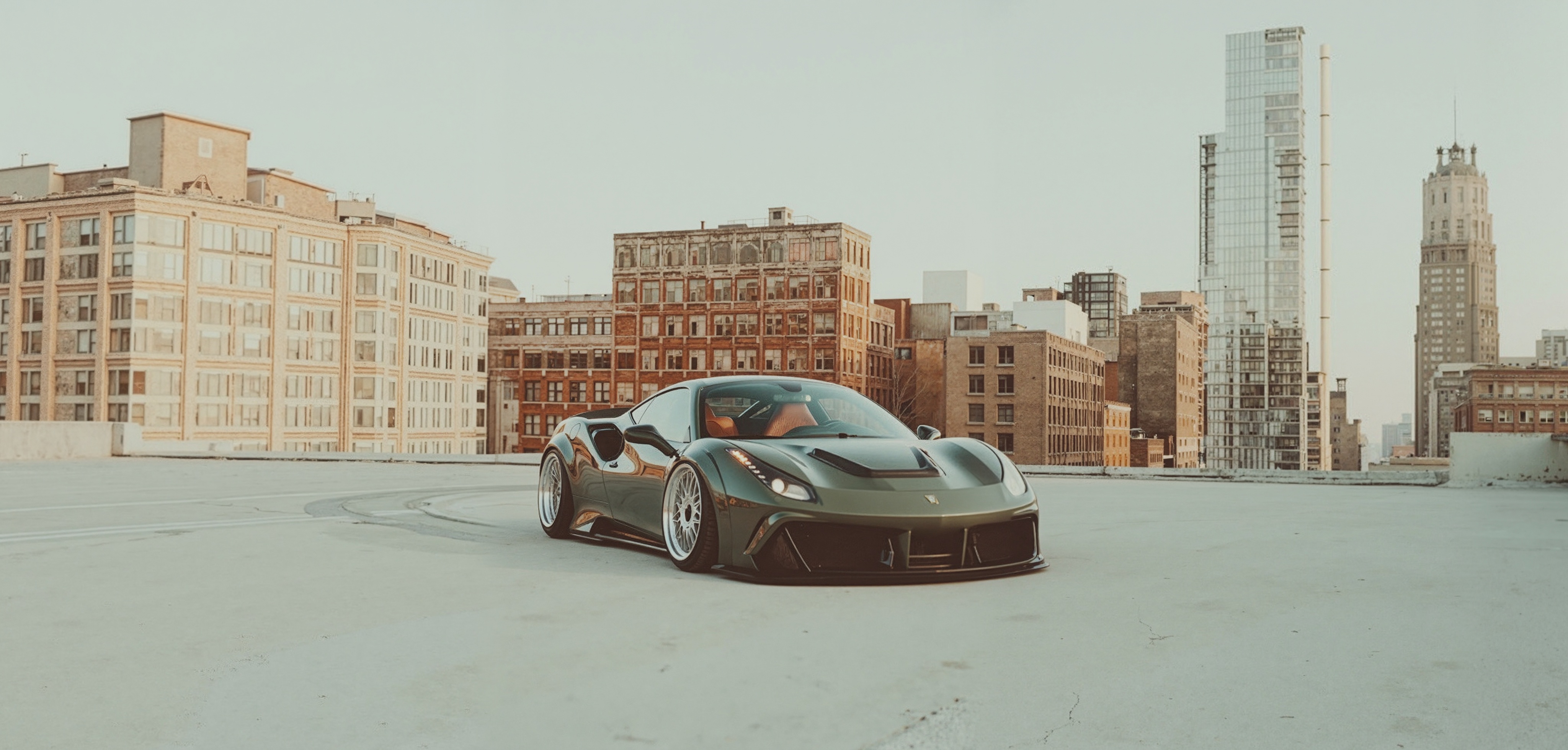
Master the art of creating reference images that enable AI tools to generate more accurate and compelling multi-angle shots.
Learn techniques for transforming static AI-generated images into dynamic, motion-rich content for enhanced engagement.
Build an impressive creative portfolio using multi-angle imagery to showcase your versatility and technical skills.