How to Plan Multi-Angle Shots for Narrative Films
Master the art of planning multi-angle shots to enhance storytelling and visual engagement. Learn how industry experts design cinematic coverage that keeps audiences immersed from scene to scene.
Table of Contents
- Introduction
- Understanding Multi-Angle Shots
- Pre-Production Planning
- Technical Considerations
- Integrating AI Tools
- Case Studies
- Conclusion
Introduction
In the realm of narrative filmmaking, multi-angle shots are the backbone of compelling visual storytelling. They provide filmmakers with the flexibility to capture scenes from multiple perspectives, creating depth, tension, and emotional resonance that single-angle shots simply cannot achieve. Whether you're working on an indie film or a major studio production, mastering multi-angle shot planning is essential for creating professional-quality content.
The art of multi-angle cinematography has evolved significantly with the advent of AI-powered tools like AnyAngle.ai, which can help filmmakers visualize and plan complex shot sequences before ever stepping onto a set. This comprehensive guide will walk you through everything you need to know about planning multi-angle shots for narrative films.
Understanding Multi-Angle Shots
Multi-angle shots involve capturing a single scene from multiple camera positions simultaneously or in sequence. This technique provides editors with a wealth of footage options, enabling them to craft dynamic sequences that enhance the narrative flow and maintain audience engagement.
Types of Multi-Angle Shots
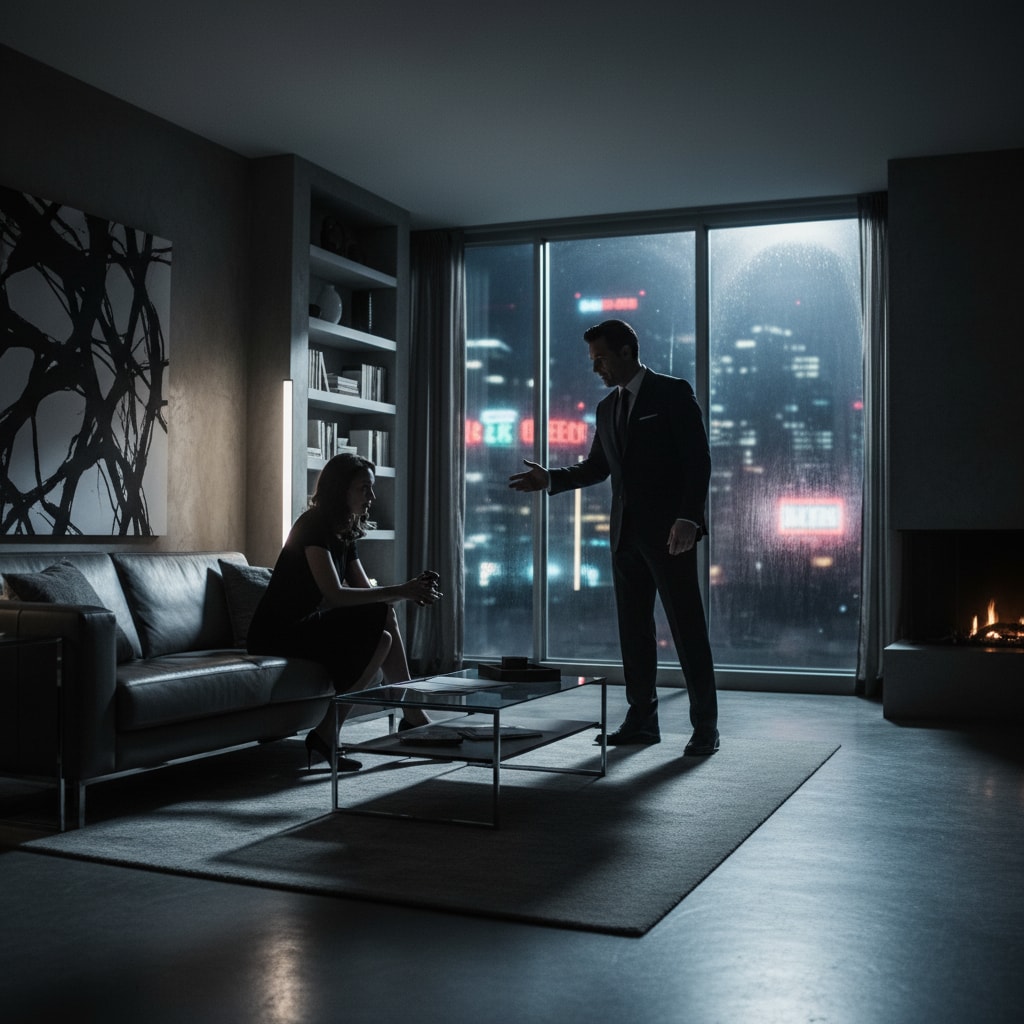
A wide shot that establishes the entire scene, showing all characters and their spatial relationships. This serves as the foundation for all other angles.
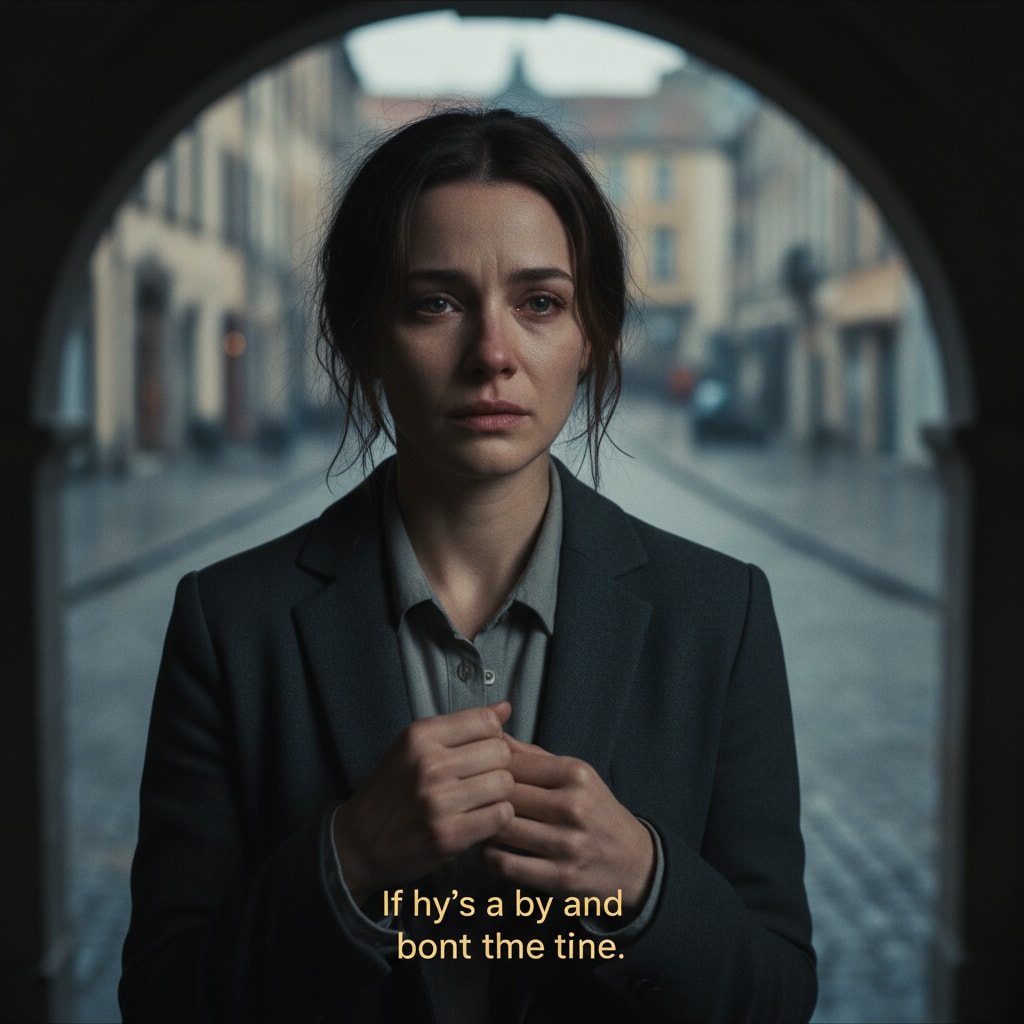
Medium shots, close-ups, and reaction shots that provide specific details and emotional beats within the scene.
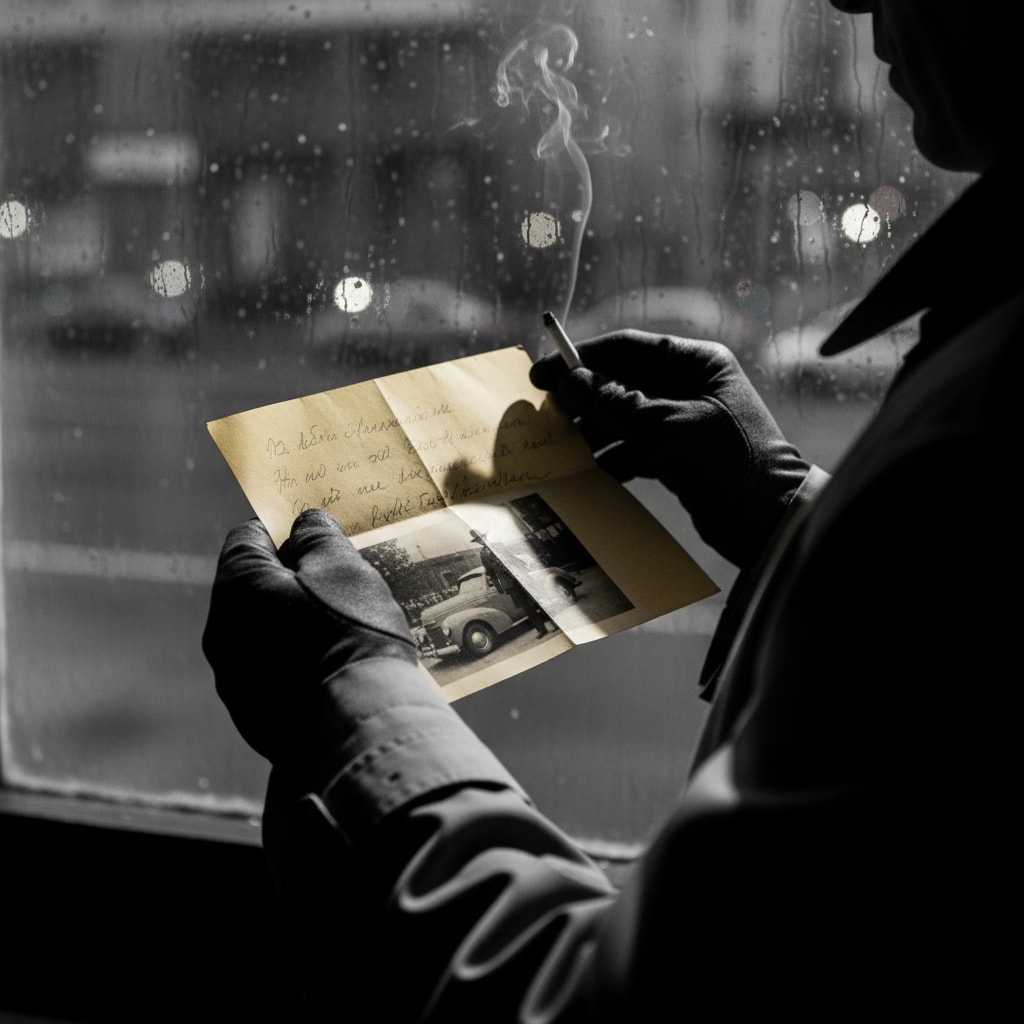
Shots of objects, details, or actions that provide context or break up dialogue sequences.
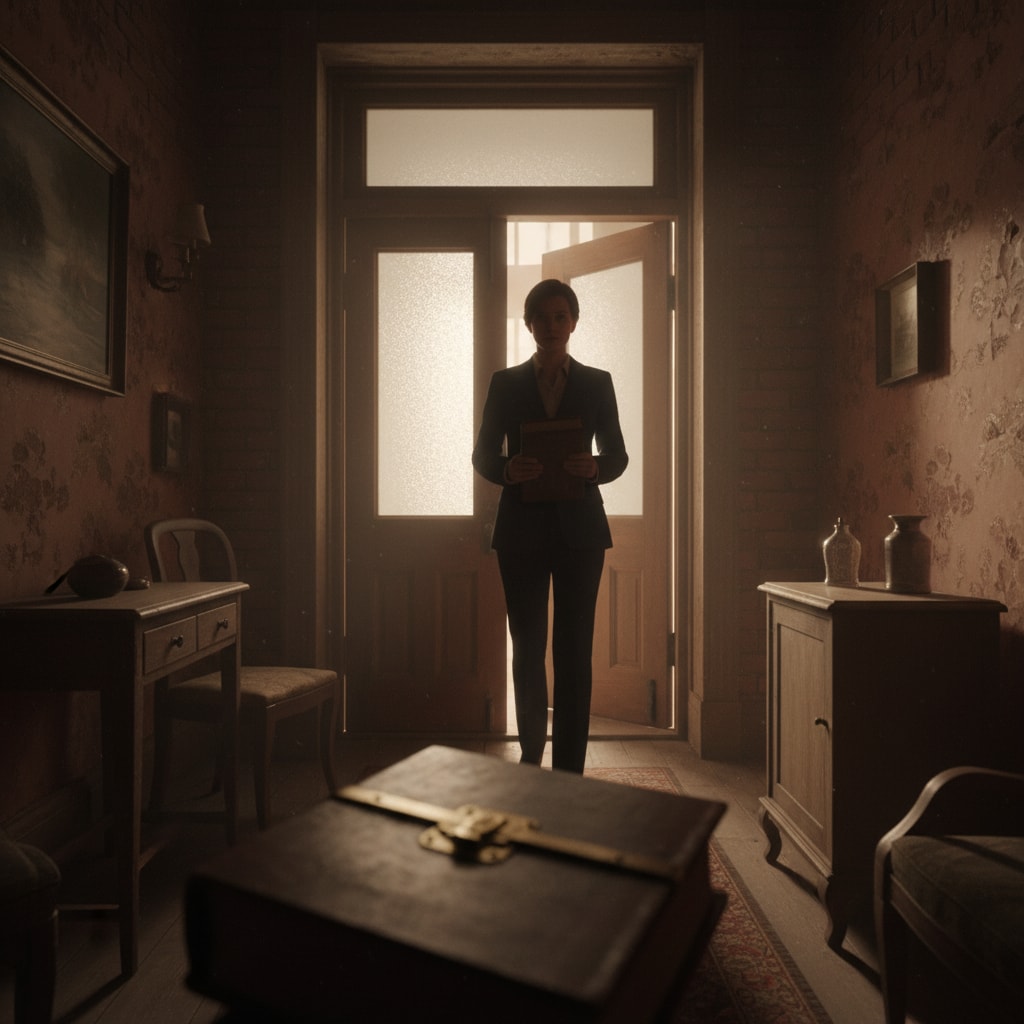
Shots that represent what a character is seeing, creating intimacy and emotional connection with the audience.
Benefits of Multi-Angle Coverage
- Enhanced Storytelling: Multiple angles allow for more nuanced storytelling and character development
- Editorial Flexibility: Provides editors with options to create the most effective pacing and rhythm
- Performance Optimization: Captures the best moments from each actor's performance
- Visual Interest: Keeps the audience engaged through varied perspectives
- Continuity Options: Provides alternatives when continuity issues arise
Pre-Production Planning
Effective multi-angle shot planning begins long before cameras start rolling. The pre-production phase is where you'll make critical decisions that will determine the success of your multi-angle coverage.
Script Analysis and Breakdown
Start by thoroughly analyzing your script to identify scenes that would benefit from multi-angle coverage. Look for:
- Dialogue-heavy scenes with multiple characters
- Action sequences requiring dynamic coverage
- Emotional moments that need intimate close-ups
- Scenes with complex blocking or movement
- Key plot points that require emphasis
Storyboarding and Visualization
Create detailed storyboards for each multi-angle scene. This visual planning tool helps you:
- Visualize camera positions and movements
- Plan lighting setups for each angle
- Identify potential technical challenges
- Communicate your vision to the crew
- Ensure continuity between shots
Location Scouting and Assessment
When scouting locations, consider how they'll accommodate multiple camera setups:
- Available space for camera positions
- Lighting conditions and power availability
- Sound considerations and acoustics
- Accessibility for equipment and crew
- Potential obstacles or limitations
Technical Considerations
Multi-angle shooting presents unique technical challenges that require careful planning and execution. Here's what you need to consider:
Camera Placement and Movement
Strategic camera placement is crucial for effective multi-angle coverage. Consider the following principles:
- 180-Degree Rule: Keep cameras on one side of an imaginary line to maintain spatial continuity
- Camera Height: Vary heights to create visual interest and avoid monotonous coverage
- Distance Variation: Mix wide, medium, and close shots for dynamic editing
- Movement Coordination: Plan camera movements that complement each other
Lighting Consistency
Maintaining consistent lighting across all angles is essential for seamless editing:
- Establish a master lighting setup that works for all angles
- Use flags and diffusers to control light spill between angles
- Test lighting from each camera position before shooting
- Have backup lighting options for quick adjustments
Sound Synchronization
Proper sound recording is critical for multi-angle shoots:
- Use timecode or clapperboards for synchronization
- Position microphones to capture clean audio from all angles
- Record room tone for each setup
- Have backup audio recording options
Integrating AI Tools
Modern AI tools like AnyAngle.ai are revolutionizing how filmmakers plan and execute multi-angle shots. These tools offer unprecedented capabilities for pre-visualization and planning.
Pre-Visualization Benefits
AI-powered pre-visualization tools allow you to:
- Generate multiple camera angles from a single reference image
- Test different shot compositions before production
- Identify potential technical issues early
- Communicate your vision more effectively to the crew
- Save time and resources during production
Workflow Integration
Integrate AI tools into your existing workflow:
- Upload reference images or storyboard frames to the AI tool
- Generate multiple angle variations
- Review and select the most effective angles
- Use generated images for crew communication
- Reference AI outputs during actual shooting
Pro Tip: AnyAngle.ai Integration
Use AnyAngle.ai to generate multiple camera angles from your reference images, then use these as a guide for actual camera placement during production. This ensures you capture the exact angles you've planned while maintaining the flexibility to adapt on set.
Case Studies
Let's examine how successful filmmakers have used multi-angle shots to enhance their narratives:
Case Study 1: Indie Drama "The Conversation"
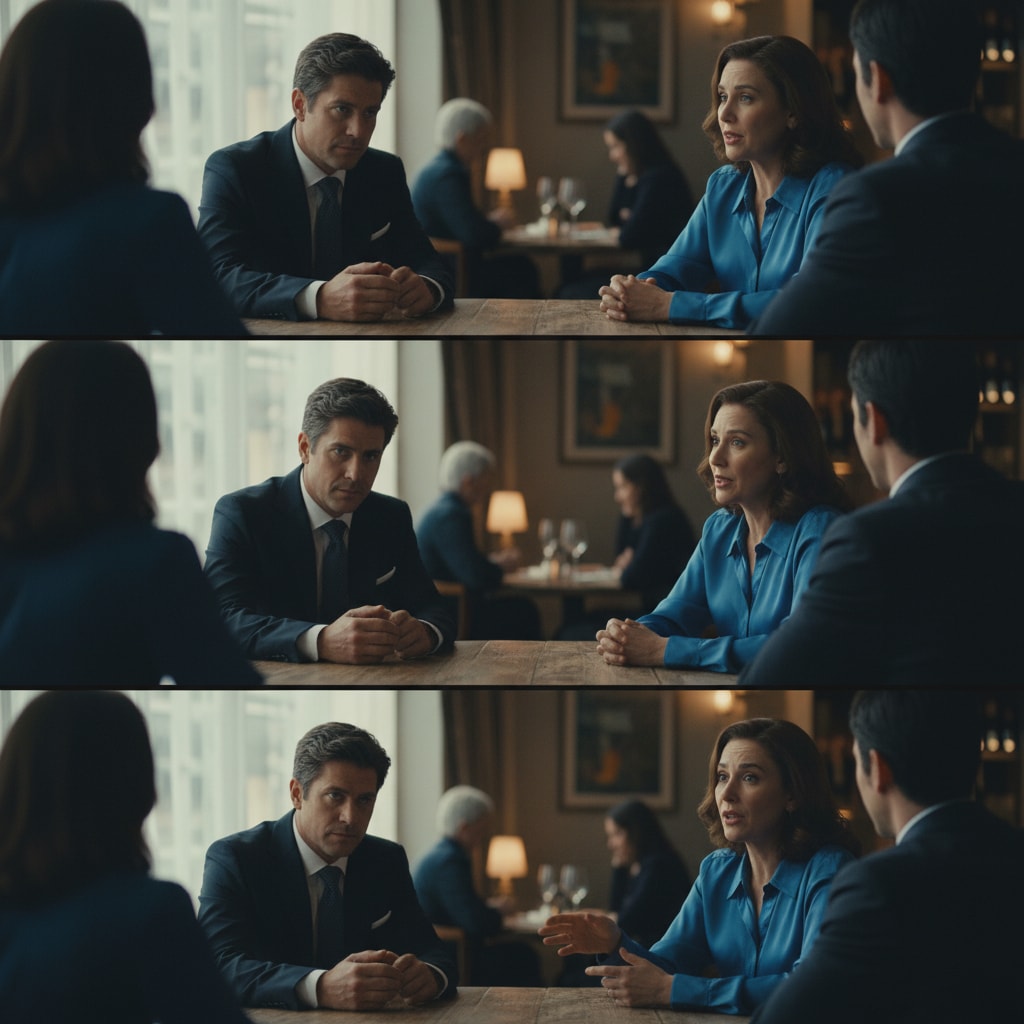
Director Sarah Chen used multi-angle coverage to create tension in a crucial dialogue scene between two characters. By shooting from three different angles—a wide master shot, medium shots of each character, and close-ups for emotional beats—she was able to build suspense and maintain audience engagement throughout a 5-minute conversation.
Case Study 2: Action Sequence in "Urban Chase"
Action director Mike Rodriguez employed 12 different camera angles for a 2-minute chase sequence. This extensive coverage allowed the editor to create a fast-paced, dynamic sequence that kept viewers on the edge of their seats while maintaining spatial clarity.
Case Study 3: AI-Enhanced Planning
Filmmaker Alex Thompson used AnyAngle.ai to plan a complex multi-character scene. By generating AI previews of different camera angles, he was able to identify the most effective shot compositions before production, saving 40% of his shooting time and significantly reducing costs.
Conclusion
Mastering multi-angle shot planning is essential for creating compelling narrative films. By understanding the principles, planning thoroughly, and leveraging modern AI tools, you can elevate your filmmaking to professional standards while maintaining efficiency and creativity.
Remember that multi-angle coverage is not just about having more footage—it's about having the right footage that serves your story. Every angle should have a purpose, whether it's revealing character emotion, building tension, or advancing the plot.
As technology continues to evolve, tools like AnyAngle.ai are making it easier than ever to plan and execute complex multi-angle sequences. Embrace these innovations while maintaining the fundamental principles of good cinematography, and you'll be well on your way to creating visually stunning and narratively compelling films.
Ready to Plan Your Multi-Angle Shots?
Start using AnyAngle.ai to visualize and plan your multi-angle sequences today.
Related Articles
Discover the advantages and limitations of AI and traditional cinematography methods.
Essential tips for maintaining visual and narrative continuity in multi-angle scenes.
Complete guide to using AnyAngle.ai for creating stunning multi-angle shots.