The Rise of Novel View Synthesis in Filmmaking
Explore how novel view synthesis is transforming filmmaking by enabling the creation of new perspectives from existing footage. Discover the revolutionary AI technology that's reshaping visual storytelling.
Table of Contents
- Introduction
- Understanding Novel View Synthesis
- Filmmaking Applications
- Technical Implementation
- Creative Possibilities
- Challenges and Considerations
- Future Outlook
- Conclusion
Introduction
Novel View Synthesis (NVS) represents one of the most exciting breakthroughs in AI-powered filmmaking technology. This revolutionary approach allows filmmakers to generate entirely new camera angles and perspectives from existing footage, opening up unprecedented creative possibilities while dramatically reducing production costs and complexity.
Unlike traditional multi-camera setups that require extensive equipment and crew coordination, novel view synthesis uses advanced machine learning algorithms to understand 3D scene geometry and generate photorealistic views from any desired camera position. This technology is particularly powerful when integrated with tools like AnyAngle.ai, which can transform a single reference image into multiple cinematic perspectives.
The implications for the filmmaking industry are profound. Directors can now explore camera angles that were previously impossible due to physical constraints, budget limitations, or safety concerns. Post-production teams can generate additional coverage without expensive reshoots, and independent filmmakers can achieve professional-quality multi-angle coverage with minimal resources.
Understanding Novel View Synthesis
Novel View Synthesis is a computer vision technique that generates new viewpoints of a scene from a limited set of input images. The technology works by understanding the 3D structure of a scene and then rendering it from any desired camera position, even if that position was never actually captured during filming.
Core Principles
NVS algorithms analyze input images to reconstruct the 3D geometry of the scene, understanding depth, lighting, and material properties.
Advanced neural networks render photorealistic images from any viewpoint, maintaining consistency with the original scene.
The system can generate smooth transitions between known viewpoints, creating fluid camera movements.
Maintains consistent lighting and shadows across all generated viewpoints for seamless integration.
Technical Architecture
Modern NVS systems typically employ several key components:
- Depth Estimation: Algorithms that determine the distance of objects from the camera
- 3D Reconstruction: Building a 3D model of the scene from 2D images
- Neural Radiance Fields (NeRF): Advanced techniques for representing 3D scenes
- View Synthesis Networks: Deep learning models that generate new viewpoints
- Post-Processing: Refinement techniques to ensure photorealistic output
Filmmaking Applications
Novel View Synthesis is revolutionizing multiple aspects of filmmaking, from pre-production planning to post-production enhancement. Here are the key applications transforming the industry:
Pre-Production and Planning
Storyboard Enhancement
Directors can use NVS to generate multiple camera angles from storyboard frames, allowing them to explore different visual approaches before production begins. This is particularly powerful when combined with tools like AnyAngle.ai.
- Test different camera positions and movements
- Explore lighting scenarios from multiple angles
- Plan complex action sequences with confidence
- Communicate vision more effectively to crew
Production Enhancement
During production, NVS can address common challenges:
- Missing Coverage: Generate additional angles when physical camera placement isn't possible
- Safety Constraints: Create dangerous or inaccessible camera positions safely
- Budget Limitations: Achieve multi-camera coverage with single-camera setups
- Time Constraints: Reduce setup time by generating angles in post-production
Post-Production Flexibility
Post-production teams can use NVS to:
- Generate additional coverage for editing flexibility
- Create smooth camera movements between static shots
- Fix continuity issues by generating alternative angles
- Enhance visual storytelling with previously impossible perspectives
Technical Implementation
Implementing novel view synthesis in a filmmaking workflow requires understanding both the technical requirements and creative possibilities. Here's how to effectively integrate this technology:
Input Requirements
The quality of NVS output depends heavily on input image quality:
- High Resolution: Use the highest resolution images available for better detail preservation
- Good Lighting: Well-lit scenes produce more accurate 3D reconstructions
- Multiple Angles: While NVS can work with single images, multiple viewpoints improve accuracy
- Stable Footage: Minimize camera shake and motion blur for better results
Workflow Integration
Recommended Workflow with AnyAngle.ai
- Reference Image Selection: Choose high-quality reference images that represent your desired scene
- Angle Planning: Use AnyAngle.ai to generate multiple angle variations from your reference
- Quality Assessment: Review generated angles for technical and creative suitability
- Integration Planning: Plan how generated angles will integrate with your existing footage
- Post-Production Enhancement: Use additional NVS techniques to refine and perfect the results
Hardware and Software Requirements
NVS processing requires significant computational resources:
- GPU Power: High-end graphics cards for neural network processing
- Memory: Sufficient RAM for large 3D scene representations
- Storage: Fast storage for large image datasets and model files
- Processing Time: Allow adequate time for complex scene reconstruction
Creative Possibilities
Novel View Synthesis opens up creative possibilities that were previously impossible or prohibitively expensive. Here are some of the most exciting applications:
Impossible Camera Movements
Create camera movements that would be physically impossible or dangerous:
- Fly through solid objects or walls
- Navigate through dangerous environments safely
- Create micro-movements around small objects
- Generate smooth transitions between distant viewpoints
Enhanced Storytelling
Use NVS to enhance narrative elements:
- Character Perspective: Show scenes from any character's point of view
- Emotional Impact: Use specific angles to enhance emotional moments
- Visual Metaphors: Create symbolic camera movements that support themes
- Audience Engagement: Keep viewers engaged with dynamic, varied perspectives
Cost-Effective Production
Achieve high-end production values with limited resources:
- Generate multiple camera angles from single setups
- Create complex action sequences without extensive equipment
- Produce professional-quality content on indie budgets
- Reduce post-production time and costs
Challenges and Considerations
While novel view synthesis offers tremendous potential, it also presents several challenges that filmmakers must consider:
Technical Limitations
Current Limitations
- Difficulty with reflective or transparent surfaces
- Challenges with complex lighting scenarios
- Limited accuracy with moving subjects
- Computational requirements for real-time applications
Quality Control
Ensuring consistent quality across generated views:
- Regular quality checks throughout the process
- Manual refinement when automated results are insufficient
- Consistent lighting and color grading across all angles
- Seamless integration with existing footage
Creative Decision Making
Balancing technical capabilities with creative vision:
- Choosing appropriate angles that serve the story
- Maintaining visual consistency with the overall aesthetic
- Avoiding overuse of generated angles
- Ensuring generated content enhances rather than distracts
Future Outlook
The future of novel view synthesis in filmmaking looks incredibly promising, with rapid advances in AI technology opening up new possibilities:
Emerging Technologies
- Real-Time Processing: Faster algorithms enabling live view synthesis
- Higher Quality: Improved neural networks producing more photorealistic results
- Better Motion Handling: Enhanced algorithms for moving subjects and dynamic scenes
- Reduced Computational Requirements: More efficient processing for broader accessibility
Industry Adoption
As the technology matures, we can expect:
- Wider adoption across all levels of production
- Integration with existing filmmaking tools and workflows
- New creative possibilities and storytelling techniques
- Democratization of high-end visual effects
Conclusion
Novel View Synthesis represents a paradigm shift in filmmaking technology, offering unprecedented creative possibilities while reducing production costs and complexity. As this technology continues to evolve and become more accessible, it's transforming how filmmakers approach visual storytelling.
The key to successful implementation lies in understanding both the technical capabilities and creative potential of NVS. By integrating tools like AnyAngle.ai into your workflow, you can explore new camera angles, enhance your storytelling, and achieve professional-quality results that were previously impossible or prohibitively expensive.
As we look to the future, novel view synthesis will continue to democratize high-end filmmaking techniques, enabling independent creators to produce content that rivals major studio productions. The filmmakers who embrace this technology today will be the ones shaping the future of visual storytelling tomorrow.
Ready to Explore Novel View Synthesis?
Start experimenting with AnyAngle.ai to generate multiple camera angles from your reference images and discover the power of AI-driven cinematography.
Related Articles
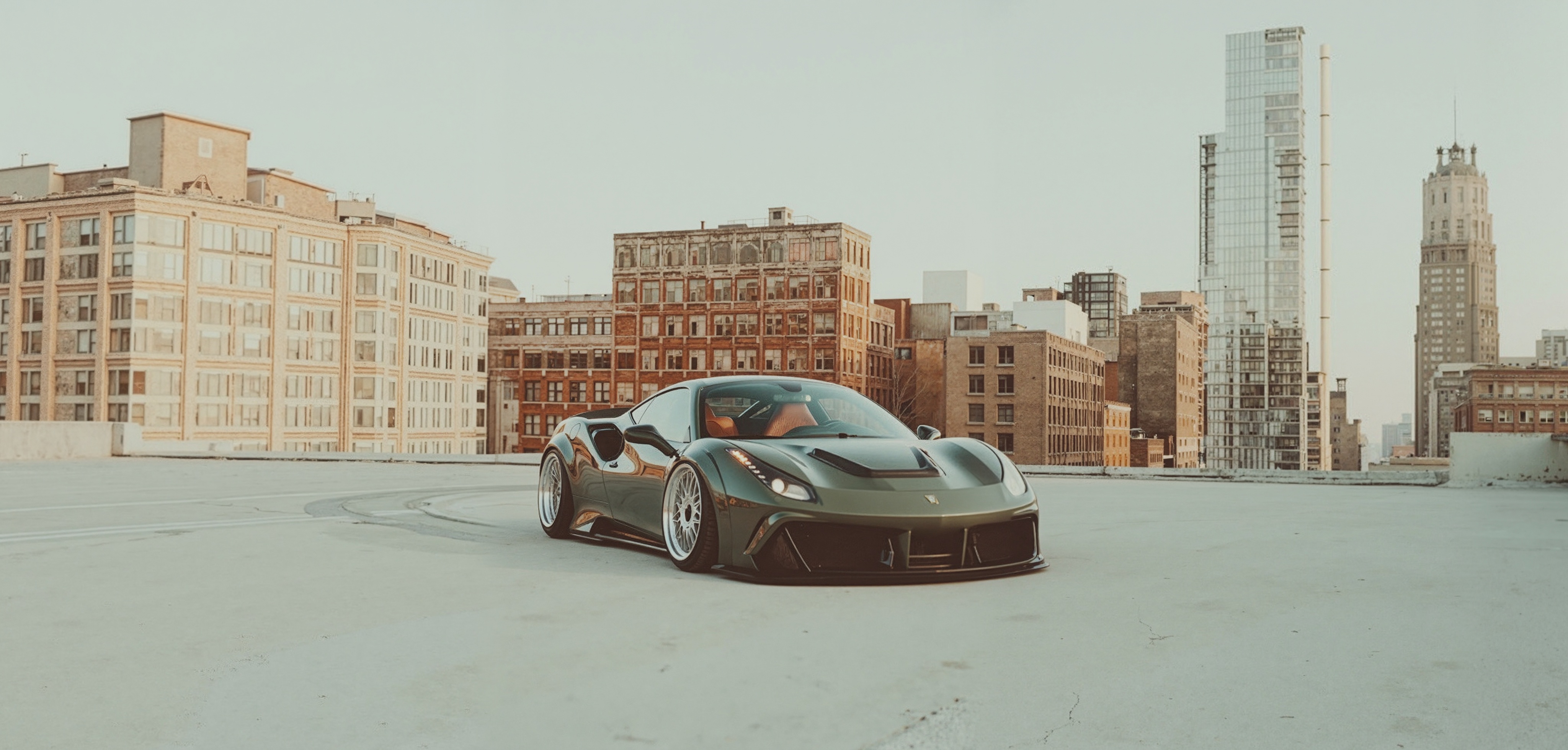
Explore the cutting-edge technology of generative camera trajectories and their potential to revolutionize dynamic shot planning.
Discover the advantages and limitations of AI and traditional cinematography to make informed decisions for your projects.
Learn how AI tools are revolutionizing pre-production processes and workflow optimization in modern filmmaking.