AI vs. Traditional Cinematography: When to Choose Which
Discover the advantages and limitations of AI and traditional cinematography to make informed decisions for your film projects. Learn when to leverage each approach for optimal results.
- Introduction
- Defining AI and Traditional Cinematography
- Comparative Analysis
- When to Use AI Cinematography
- When to Use Traditional Cinematography
- The Hybrid Approach
- Conclusion
Introduction
The filmmaking landscape is experiencing a seismic shift as artificial intelligence becomes increasingly sophisticated and accessible. What was once the exclusive domain of traditional cinematography—with its human operators, physical cameras, and manual processes—is now being challenged by AI-powered alternatives that promise efficiency, cost savings, and creative possibilities previously unimaginable.
However, the question isn't whether AI will replace traditional cinematography entirely, but rather when and how to leverage each approach for maximum creative and commercial success. This comprehensive analysis explores both methodologies, their strengths, limitations, and the strategic considerations that should guide your decision-making process.
From indie filmmakers working with limited budgets to major studios seeking to optimize their production pipelines, understanding the AI vs. traditional cinematography debate is crucial for anyone serious about creating compelling visual content in 2025 and beyond.
Defining AI and Traditional Cinematography
Traditional cinematography relies on human expertise, physical equipment, and manual processes to capture and create visual content. This time-honored approach emphasizes the artistic vision and technical skill of cinematographers, camera operators, and lighting technicians.
Key Characteristics:
- Human-operated cameras and equipment
- Manual lighting and composition decisions
- Physical presence on set
- Real-time creative adjustments
- Traditional post-production workflows
AI cinematography leverages artificial intelligence, machine learning, and computer vision to automate, enhance, or completely generate visual content. This emerging approach uses algorithms to make creative and technical decisions that were previously the domain of human professionals.
Key Characteristics:
- Algorithm-driven content generation
- Automated camera movements and framing
- AI-powered post-production tools
- Virtual camera systems
- Machine learning-enhanced workflows
Comparative Analysis
| Aspect | Traditional Cinematography | AI Cinematography |
|---|---|---|
| Cost | High (crew, equipment, time) | Low (software, minimal crew) |
| Speed | Slow (setup, multiple takes) | Fast (rapid generation) |
| Creative Control | High (direct human input) | Limited (algorithm-dependent) |
| Quality | Consistently high | Variable (rapidly improving) |
| Flexibility | High (real-time adjustments) | Moderate (parameter-based) |
| Scalability | Limited (crew constraints) | High (unlimited iterations) |
Cost Analysis
The financial implications of choosing between AI and traditional cinematography can be significant:
- Traditional: Equipment rental ($2,000-10,000/day), crew salaries ($5,000-20,000/day), location fees, insurance, and post-production costs
- AI: Software subscriptions ($50-500/month), minimal crew requirements, reduced location needs, and streamlined post-production
- Break-even point: For many projects, AI becomes cost-effective when traditional costs exceed $15,000-20,000
Quality Considerations
Quality assessment depends on project requirements and audience expectations:
- Traditional: Proven track record, consistent results, human artistic touch
- AI: Rapidly improving, can achieve photorealistic results, may lack subtle human nuances
- Hybrid: Combines AI efficiency with human oversight for optimal quality
When to Use AI Cinematography
AI cinematography excels in specific scenarios where efficiency, cost-effectiveness, and rapid iteration are priorities:
Ideal Use Cases
Use AI tools like AnyAngle.ai to generate storyboards, pre-visualize scenes, and test different camera angles before committing to expensive shoots.
Create multiple variations of promotional content, social media posts, and marketing materials quickly and cost-effectively.
Achieve professional-looking results without the budget for extensive crew and equipment rentals.
Test concepts, visual styles, and narrative approaches before investing in full production.
Technical Advantages
- Consistency: AI can maintain consistent visual style across multiple shots and scenes
- Reproducibility: Exact replication of successful techniques and styles
- Scalability: Generate unlimited variations and iterations
- Accessibility: Lower barrier to entry for new filmmakers
- Integration: Seamless workflow with digital post-production tools
Success Story: Indie Filmmaker's Breakthrough
Director Maria Rodriguez used AnyAngle.ai to create a 15-minute short film with a budget of just $2,000. By generating multiple camera angles from a single reference image, she was able to create a visually rich narrative that would have cost $15,000+ using traditional methods. The film went on to win three festival awards.
When to Use Traditional Cinematography
Traditional cinematography remains essential for projects that require the highest levels of artistic control, human performance, and authentic visual storytelling:
Critical Use Cases
Feature films, premium TV series, and major commercial campaigns where artistic vision and quality are paramount.
Documentaries, live events, and performances where human presence and real-time decision-making are essential.
Scenes requiring precise timing, safety considerations, and authentic physical performances.
Character-driven moments where subtle human performances and authentic emotions are crucial.
Artistic Advantages
- Human Intuition: Cinematographers can make split-second creative decisions based on experience and artistic sensibility
- Authentic Performance: Real actors and environments create genuine emotional connections
- Unique Perspectives: Human creativity produces unexpected and innovative visual solutions
- Collaborative Process: Real-time collaboration between director, cinematographer, and crew
- Physical Presence: The energy and atmosphere of a real set can enhance performances
When Budget Allows
Traditional cinematography becomes the preferred choice when:
- Budget permits hiring experienced professionals
- Timeline allows for proper pre-production and shooting
- Quality requirements exceed current AI capabilities
- Project demands unique or experimental approaches
- Client expectations require proven traditional methods
The Hybrid Approach
The most successful filmmakers in 2025 are not choosing between AI and traditional cinematography—they're combining both approaches strategically to maximize creative potential while optimizing efficiency and cost.
Strategic Integration
Recommended Hybrid Workflow:
- Pre-Production: Use AI tools like AnyAngle.ai for storyboarding, pre-visualization, and shot planning
- Production: Employ traditional methods for key scenes requiring human performance and artistic control
- Post-Production: Leverage AI for color grading, effects, and additional angle generation
- Marketing: Generate multiple content variations using AI for social media and promotional materials
Best of Both Worlds
Use AI tools to explore creative possibilities, test concepts, and plan shots before expensive production begins.
Reserve traditional cinematography for critical scenes where human artistry and performance are essential.
Use AI in post-production to enhance traditional footage, generate additional angles, and create variations.
Cost-Benefit Analysis
The hybrid approach typically offers the best return on investment:
- Reduced Pre-Production Costs: AI planning saves 30-50% of traditional pre-production expenses
- Focused Production Spending: Allocate traditional resources only where they add the most value
- Enhanced Post-Production: AI tools can generate additional content and variations cost-effectively
- Faster Time-to-Market: Accelerated planning and production timelines
Conclusion
The choice between AI and traditional cinematography isn't binary—it's strategic. Successful filmmakers in 2025 are those who understand when to leverage the efficiency and innovation of AI tools while preserving the irreplaceable value of human artistry and traditional techniques.
For most projects, the optimal approach involves a thoughtful combination of both methodologies. Use AI tools like AnyAngle.ai for planning, pre-visualization, and generating additional content, while reserving traditional cinematography for scenes where human performance, artistic control, and authentic emotion are paramount.
The future of cinematography belongs to those who can seamlessly integrate AI capabilities with traditional expertise, creating content that is both efficient and emotionally resonant. As AI technology continues to advance, the line between artificial and traditional cinematography will blur, but the fundamental principles of good storytelling and visual communication will remain constant.
The key is to stay informed about technological developments, experiment with new tools, and always prioritize the story you're trying to tell. Whether you choose AI, traditional, or hybrid approaches, the goal remains the same: creating compelling visual content that resonates with your audience and serves your creative vision.
Ready to Explore AI Cinematography?
Start experimenting with AnyAngle.ai to see how AI can enhance your cinematography workflow. Generate multiple angles from single images and discover new creative possibilities.
Related Articles
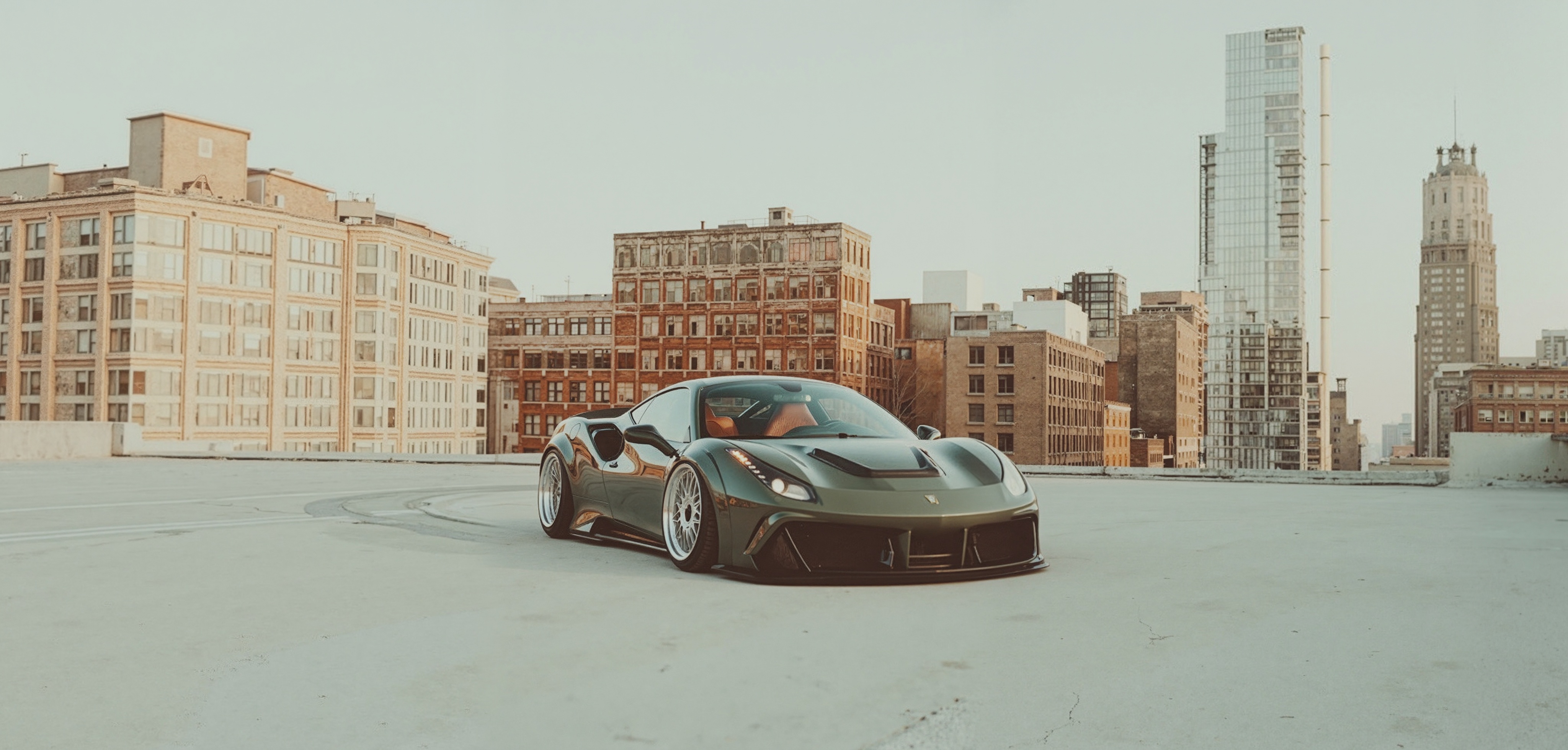
Explore how novel view synthesis is transforming filmmaking by enabling new perspectives and creative possibilities.
Discover how AI tools are revolutionizing pre-production processes and workflow optimization.
Detailed cost analysis comparing AI-powered multi-angle generation with traditional filmmaking approaches.